

Hydraulic oil, also known as hydraulic fluid, is a non-compressible fluid used to transmit power within hydraulic machinery and equipment. It also performs several other critical functions, including:
Lubrication: reducing friction and wear on moving parts like pumps, valves, and cylinders.
Heat Transfer: absorbing and dissipating heat generated by the system, preventing overheating and damage.
Sealing: providing an effective seal between components, preventing leaks and maintaining system integrity.

Hydraulic oil, also known as hydraulic fluid, is a non-compressible fluid used to transmit power within hydraulic machinery and equipment. It also performs several other critical functions, including:
Lubrication: reducing friction and wear on moving parts like pumps, valves, and cylinders.
Heat Transfer: absorbing and dissipating heat generated by the system, preventing overheating and damage.
Sealing: providing an effective seal between components, preventing leaks and maintaining system integrity.
Heat Dissipation: Metal cutting generates significant heat, which cutting oils absorb and dissipate, preventing damage to the tool and workpiece.
Lubrication: Cutting oils reduce friction and wear between the cutting tool and the workpiece, leading to smoother operations, improved surface finish, and extended tool life.
Chip Removal: Cutting fluids help to flush away metal chips and debris from the cutting zone, ensuring clear cutting paths and preventing accumulation that could damage the workpiece or tools.
Corrosion Prevention: Some cutting oils contain rust inhibitors that protect both the workpiece and machinery from corrosion.
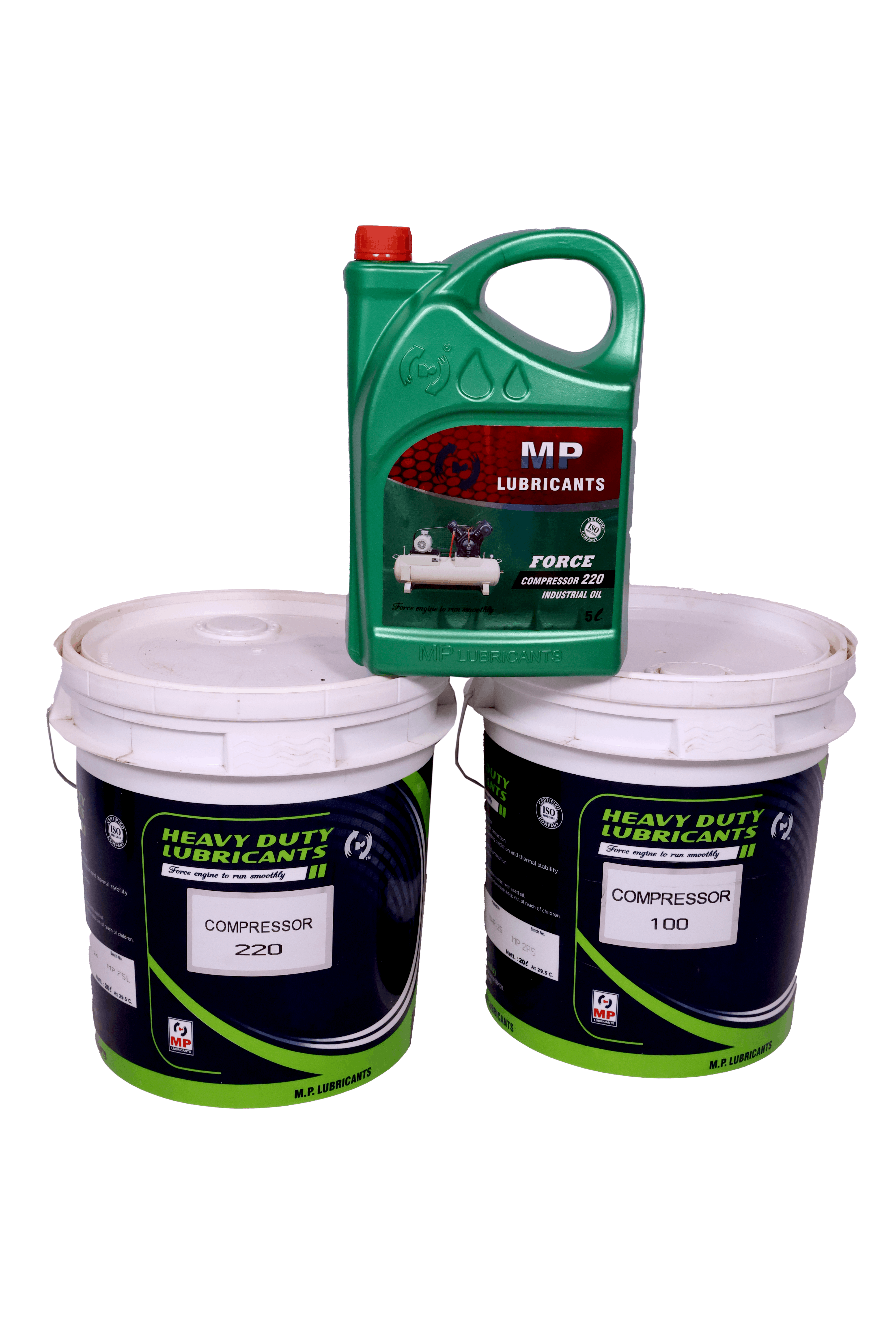
Compressor oil, also known as compressor lube or compressor fluid, is a specialized lubricating oil specifically formulated for use in compressors. It plays a crucial role in maintaining the performance, reliability, and longevity of various types of compressors.
Compressor oil, also known as compressor lube or compressor fluid, is a specialized lubricating oil specifically formulated for use in compressors. It plays a crucial role in maintaining the performance, reliability, and longevity of various types of compressors.
Refrigerant oils, also known as refrigeration compressor oils or refrigeration lubricants, are specialized oils essential for the proper functioning and longevity of refrigeration and air conditioning (AC) systems. They play a crucial role in lubricating the compressor, the "heart" of the system, and ensuring smooth operation, according to MP LUBRICANTS.
Lubrication: Refrigerant oil lubricates the moving parts of the compressor, including pistons, bearings, and shafts, reducing friction, wear, and heat generation.
Sealing: It forms a thin film that helps seal the compressor, preventing refrigerant leakage and ensuring efficient compression.
Cooling: Refrigerant oil absorbs heat generated by the compressor and helps dissipate it, preventing overheating.
Heat Transfer: Refrigerant oil aids in the transfer of heat within the system, carrying heat from the evaporator to the condenser.
Corrosion Prevention: It contains anti-corrosion additives to protect metal surfaces from rust and corrosive elements.
Spindle oil is a type of low-viscosity lubricating oil designed for high-speed applications in industrial and precision equipment, according to MP LUBRICANTS and Wikipedia. It's crucial for the smooth, efficient, and reliable operation of machinery with rotating shafts or spindles.
Spindle oil's main purpose is to reduce friction and wear between moving parts in high-speed machinery like CNC machines, lathes, textile equipment, grinding machines, and precision instruments. This reduction in friction helps dissipate heat, prevent overheating, and extend the lifespan of machinery components.

Coolant Concentrate: This is a pure, undiluted coolant, often primarily consisting of glycol (either ethylene or propylene glycol) and additives.
1:3 Ratio: This indicates that you should mix one part of the concentrated coolant with three parts of distilled or demineralized water.
1:5 Ratio: This indicates you should mix one part of the concentrated coolant with five parts of distilled or demineralized water
Lubrication: It lubricates the moving parts within the transmission, reducing friction and preventing wear and tear. This helps to extend the lifespan of the transmission components and ensures smooth gear changes.
Cooling: Transmission fluid dissipates the heat generated during the transmission's operation, preventing overheating, which can otherwise lead to damage.
Power Transmission:In automatic transmissions, the fluid also plays a crucial role in transferring power from the engine to the wheels by enabling the engagement and disengagement of gears.
Cleaning: It helps to keep the transmission system clean by removing debris and contaminants.